In the intricate world of metallurgy and construction, the question of how many types of welding electrodes exist is more than just a matter of numbers. It is a question of chemistry, physics, and engineering precision. An electrode is the fundamental component that dictates the success of a weld, acting as the conduit for the electric arc and, in many cases, the source of the filler material that joins two structures into one.
Because welding is required in environments ranging from the vacuum of space to the crushing depths of the ocean, a vast array of specialized electrodes has been developed. Understanding these classifications is essential for ensuring the structural integrity of bridges, pipelines, ships, and heavy machinery. This guide will break down the complex landscape of welding electrodes into clear, functional categories.
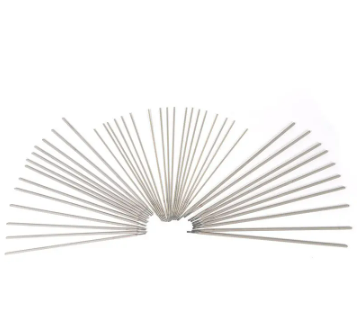
The Primary Division: Consumable vs. Non-Consumable Electrodes
To begin classifying electrodes, we must first look at their physical behavior during the welding process. All electrodes fall into one of two primary categories based on whether they are sacrificed during the operation.
Consumable Electrodes: The Material Providers
Consumable electrodes have a relatively low melting point compared to their non-consumable counterparts. As the electric arc generates heat, the electrode itself melts, and the resulting droplets are transferred into the weld pool. These electrodes serve a dual purpose: they conduct the electricity needed to sustain the arc and provide the filler metal required to create a robust joint. Because they are used up during the process, they must be replaced or continuously fed from a spool. This category includes the rods used in Stick welding and the wires used in MIG and Flux-cored welding.
Consumable Electrodes: The Arc Maintainers
Non-consumable electrodes are made from materials with incredibly high melting points, such as tungsten or carbon. These electrodes do not melt into the weld pool. Instead, their sole function is to act as a terminal for the electric arc, providing the heat necessary to melt the base metal or a separate filler rod. Because they do not become part of the weld, they last much longer, though they do slowly degrade over time due to oxidation and vaporization. The most common application for these is TIG (Tungsten Inert Gas) welding, known for its precision and cleanliness.
Deep Dive: Types of Consumable Electrodes
Consumable electrodes represent the largest segment of the market and are further divided by their physical form and the presence of protective coatings.
Coated Stick Electrodes (SMAW)
These are the traditional "rods" used in Shielded Metal Arc Welding. They consist of a metal core wire covered in a thick layer of chemical flux. In the early days of welding, "light coated" electrodes were used, but they provided poor protection against atmospheric contamination. Today, "heavy coated" electrodes are the industrial standard. The coating performs multiple critical tasks: it generates a shielding gas to protect the molten metal, provides deoxidizers to clean the weld, and forms a protective slag that shapes the cooling bead.
Continuous Wire Electrodes (MIG/GMAW)
In Gas Metal Arc Welding, the electrode is a thin, solid metal wire fed continuously from a motorized spool. These electrodes are highly efficient because they eliminate the need for the welder to stop and change rods. Since these wires are bare metal, they require an external shielding gas, such as argon or CO2, to protect the weld pool from the air. They are the preferred choice for high-speed manufacturing and automotive assembly lines.
Flux-Cored Electrodes (FCAW)
Flux-cored electrodes combine the continuous feeding of MIG welding with the protective chemistry of Stick welding. Instead of a solid wire, these electrodes are hollow tubes filled with flux. There are two main types: gas-shielded, which requires an external gas tank, and self-shielded, which generates its own protective atmosphere. Self-shielded flux-cored wires are particularly popular for outdoor construction because they are not affected by wind that might blow away a traditional shielding gas.
Understanding Flux Coating Types (The "E" Series)
For Stick welding, the chemical composition of the flux coating is what truly defines the electrode’s performance. The American Welding Society (AWS) classifies these based on their chemical makeup.
Cellulosic Electrodes (Organic)
These coatings contain a high percentage of cellulose and organic matter. When burned, they create a very forceful, high-velocity arc that can penetrate deep into the metal. They are known for "fast-freezing" slag, which allows the welder to work in vertical or overhead positions without the metal dripping out. The E6010 is the most famous example, widely used in the pipeline industry.
Rutile Electrodes (Mineral)
Rutile coatings are rich in titanium dioxide. These electrodes are designed for ease of use. They produce a soft, quiet arc, very low levels of spatter, and a beautiful, smooth weld bead. The slag is usually easy to remove, sometimes even peeling off by itself. The E6013 is a staple for general fabrication, repair work, and sheet metal welding.
Basic/Low-Hydrogen Electrodes
These coatings are made of calcium carbonates and fluorides. They are designed to produce welds with the lowest possible hydrogen content, which is vital for preventing "cold cracking" in high-strength steel. The E7018 is the most common low-hydrogen rod, utilized in structural steel buildings, bridges, and pressure vessels. These electrodes must be stored in specialized ovens to prevent them from absorbing moisture from the air.
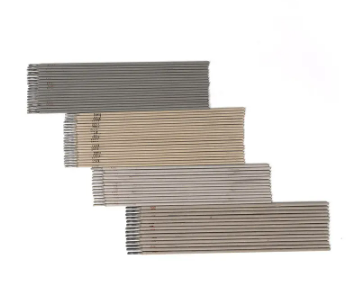
Deep Dive: Types of Non-Consumable Electrodes
Non-consumable electrodes are specialized tools for high-precision applications where the welder needs total control over the heat and filler material.
Tungsten Electrodes (TIG/GTAW)
Tungsten has the highest melting point of any metal ($3,422^{\circ}C$), making it perfect for non-consumable use. These are color-coded for easy identification. Pure Tungsten (Green) is used for AC welding of aluminum. Thoriated Tungsten (Red) contains thorium oxide to improve arc starts and is the standard for DC welding of steel. In recent years, Lanthanated (Gold/Blue) and Ceriated (Grey) electrodes have gained popularity as safer, non-radioactive alternatives that offer similar or superior performance.
Carbon Electrodes
While less common for joining metal, carbon electrodes are used in a process called Air Carbon Arc Gouging. Here, the electrode creates an arc to melt the metal, and a high-velocity stream of compressed air blows the molten metal away. This is used for removing old welds, cutting thick plates, or preparing joints for a new weld.
Classification by Material Compatibility
To achieve a strong bond, the electrode must be chemically compatible with the base metal.
Ferrous Electrodes
These are designed for iron-based metals. They range from mild steel electrodes for basic construction to low-alloy steel electrodes that contain chromium or molybdenum for high-heat environments. Stainless steel electrodes are also a major sub-category, featuring high nickel and chromium content to maintain corrosion resistance in the weld joint.
Non-Ferrous Electrodes
These are utilized for metals that contain no iron. Aluminum electrodes are common in the aerospace and marine industries, while copper and bronze electrodes are used for joining copper alloys or surfacing parts to prevent wear. Nickel-alloy electrodes are specialized for extreme environments, such as chemical processing plants or jet engines.
Cast Iron Electrodes
Cast iron is notoriously difficult to weld because it is brittle and prone to cracking when heated. Specialized electrodes with a high nickel content (often 55% to 99% nickel) are used to create a soft, ductile weld bead that can absorb the stresses of the cast iron as it cools, preventing the surrounding metal from snapping.
How to Select the Correct Electrode Type for Your Project
With so many types available, selection requires a systematic approach. First, identify the base metal and match its tensile strength using the AWS numbers (e.g., a 70,000 psi steel requires an E70 series rod). Second, consider the welding position; if you are welding a pipe in place, you need an "all-position" electrode. Finally, check your power source. Not all electrodes work on AC; some require DCEP (Direct Current Electrode Positive) for deep penetration, while others might use DCEN for thin materials.
The environmental conditions also play a role. For indoor, high-volume work, a solid MIG wire is usually the most cost-effective. For outdoor, windy construction sites, a heavy-coated stick electrode or a self-shielded flux-cored wire is the only way to ensure the weld is protected from the atmosphere.
The Manufacturing Edge: Quality in Large-Scale Production
The performance of any electrode type is only as good as the consistency of its manufacturing. In a high-pressure industrial setting, even a slight variation in the chemical composition of the core wire or the thickness of the flux coating can lead to weld defects, costly rework, or catastrophic structural failure. This is why major global infrastructure projects rely on manufacturers who can guarantee stability across millions of units.
Partner with Shandong Juli Welding Co., Ltd.
Understanding the nuances between different types of welding electrodes is what we do best. With over 20 years of manufacturing excellence and a massive production capacity of 450,000 metric tons, Shandong Juli Welding Co., Ltd. provides a comprehensive range of electrodes designed to meet the world's most rigorous engineering standards. Whether you need specialized low-hydrogen rods for structural steel or high-efficiency wires for automated production, our technical team of 300 experts ensures that every product we export to over 50 countries delivers the reliability your project deserves.


