Introduction to Welding Wire
What is Welding Wire?
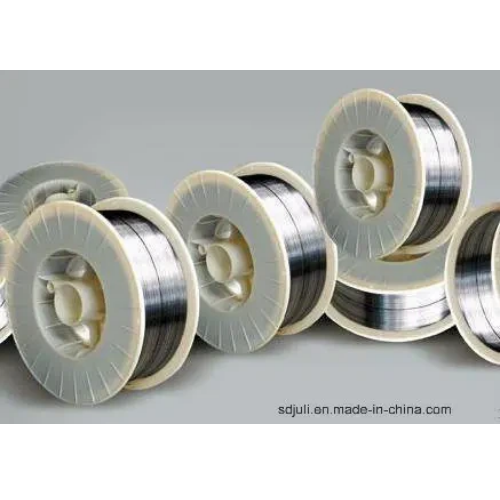
Welding wire is an essential component used in the welding process, providing the material needed to join two metals together. The wire is fed into the welding machine where it melts and is deposited into the joint, creating a strong bond between the two metal pieces. Welding wire comes in various types and compositions, depending on the materials being welded, the welding method, and the specific requirements of the welding project.
Welding wire is used across multiple industries, including automotive, construction, aerospace, and shipbuilding. The right type of welding wire ensures that the weld is strong, durable, and capable of withstanding the stresses and conditions it will face in real-world applications. Without proper care and storage, welding wire can degrade, affecting the quality of the welds produced.
Why is Proper Storage Important for Welding Wire?
Proper storage of welding wire is crucial for maintaining its quality. When stored improperly, welding wire is susceptible to environmental factors such as moisture, humidity, and contaminants, all of which can affect its performance. Rust, corrosion, or damage to the coating of the wire can result in weak welds, increased spatter, and even weld failure, leading to costly repairs or rework.
In this article, we will explore whether welding wire can go bad from sitting around and the factors that influence its shelf life, as well as the proper storage practices to prevent deterioration.
Can Welding Wire Go Bad? Understanding the Factors That Affect Its Quality
1. The Composition of Welding Wire
The materials used in welding wire can greatly impact how long it remains viable. Understanding the composition of welding wire helps explain why certain types are more vulnerable to degradation than others.
Material Considerations
Steel (Mild Steel and Stainless Steel):
Steel welding wires, especially mild steel wires, are commonly used for general welding applications. However, they are susceptible to rust and corrosion when exposed to moisture, making them sensitive to improper storage. Stainless steel welding wire, with its higher resistance to corrosion, tends to have a longer shelf life when stored correctly.
Aluminum:
Aluminum welding wire has a lower melting point and is more susceptible to oxidation when exposed to air. If aluminum wire is stored improperly, the oxidation can affect the wire's performance, leading to poor-quality welds.
Nickel Alloys:
Nickel alloy wires are often used in high-performance applications where heat resistance is essential. While they are more resistant to corrosion than steel, they still require proper storage to avoid contamination from oils or moisture, which can affect their ability to create strong bonds.
Material | Corrosion Resistance | Susceptibility to Degradation | Recommended Storage Conditions |
Steel (Mild Steel) | Low | High (rust, corrosion) | Dry, controlled temperature |
Stainless Steel | High | Moderate (rust under extreme conditions) | Sealed packaging, dry storage |
Aluminum | Low | High (oxidation) | Sealed, moisture-controlled |
Nickel Alloys | High | Moderate (contamination) | Dry, sealed packaging |
Coatings and Flux Cores
Many welding wires are coated with materials such as copper or flux. The coating helps protect the wire from environmental damage, but over time, these coatings can break down, especially if exposed to moisture or harsh conditions.
Copper Coatings: Copper-coated wires are common because the coating enhances conductivity and protects the wire from rust. However, copper coatings can deteriorate if exposed to high humidity or corrosive substances.
Flux-Cored Wires: Flux-cored wires contain a core of flux material that helps protect the weld pool during welding. If the flux inside the wire becomes contaminated or exposed to moisture, it can cause the wire to lose its welding capabilities.
2. Environmental Factors That Impact Welding Wire
Environmental factors such as humidity, temperature, and contaminants play a significant role in the deterioration of welding wire over time. Proper storage can help mitigate these risks and prolong the wire's usability.
Humidity and Moisture
Moisture is one of the most damaging factors for welding wire. Exposure to high humidity can lead to the formation of rust on steel welding wire, while aluminum wire can oxidize, resulting in a poor-quality weld. Even welding wires with flux or copper coatings are not immune to moisture damage if stored improperly.
Effects of Moisture on Welding Wire:
Rust Formation: Rust can form on steel welding wire, rendering it unsuitable for high-quality welds.
Oxidation of Aluminum: Aluminum welding wire can develop a thin layer of oxide when exposed to moisture, which compromises its ability to bond properly.
Factor | Impact on Welding Wire | Preventative Measure |
Humidity | Rust formation on steel, oxidation on aluminum | Store in a dry, climate-controlled environment |
Moisture | Corrosion of coatings, reduced weld quality | Use sealed packaging or moisture-resistant bags |
Temperature Extremes
Welding wire should be stored at a stable temperature to avoid degradation. Extreme heat or cold can affect the wire’s performance, especially if it has a coating or flux. High temperatures may cause the wire to lose its strength or result in the melting of protective coatings. Conversely, extremely cold temperatures can make some wires brittle and prone to breakage.
Temperature Effects on Welding Wire:
Heat: Excessive heat can cause welding wire coatings to soften or melt, leading to degradation of its protective layers.
Cold: Cold temperatures can make the wire brittle, which may result in breakage or poor performance during welding.
Exposure to Contaminants
Welding wire that is exposed to dirt, oil, or other contaminants can suffer from performance issues. Contaminants can interfere with the bonding process, leading to defects in the weld. For instance, oil or grease on welding wire can cause the wire to fail to bond properly, resulting in weak or unreliable welds.
How Contaminants Affect Welding Wire:
Dirt and Dust: Can lead to inconsistent welds and cause contamination in the weld pool.
Oil and Grease: Prevent the welding wire from fusing with the base material, leading to weak joints.
3. How Long Can Welding Wire Sit Around?
Recommended Storage Time for Welding Wire
Welding wire can last for months or even years if stored correctly. However, exposure to the wrong environmental conditions can significantly reduce its shelf life. In general, it is best to use welding wire within six months to one year of purchase, depending on the storage conditions.
Proper Storage: Welding wire stored in a dry, sealed, and temperature-controlled environment can last longer without deterioration.
Improper Storage: Welding wire exposed to moisture, temperature extremes, or contaminants may degrade in a matter of weeks.
Signs Welding Wire Has Gone Bad
Even if welding wire is stored for extended periods, it can still go bad. Some common signs that welding wire has deteriorated include:
Visible Rust or Corrosion: This is a clear indication that the wire is no longer usable.
Damage to the Coating: If the copper or flux coating is chipped, cracked, or missing, the wire’s performance will be compromised.
Brittleness: Wire that has become brittle due to improper storage conditions should not be used for welding.
Proper Storage Practices for Welding Wire
1. Ideal Storage Conditions
To ensure that welding wire stays in good condition, it should be stored in an environment that is dry, clean, and controlled. This will prevent rust, corrosion, and other forms of deterioration.
Dry Environment: Store welding wire in a climate-controlled area with low humidity to prevent moisture-related damage.
Sealed Packaging: Keep welding wire in its original packaging or use moisture-resistant bags to protect it from external elements.
Temperature Control: Store welding wire at room temperature, away from direct sunlight or sources of extreme heat or cold.
2. Organizing Welding Wire for Long-Term Storage
Proper organization and handling can also help prolong the shelf life of welding wire. It should be stored on racks or in bins, ensuring that it is kept off the ground and away from potential contaminants.
Racks and Shelves: Use racks or shelves to store welding wire, keeping it upright and off the ground.
Avoid Contact with Contaminants: Keep welding wire away from dirt, grease, and oils that may be present on work surfaces.
What Happens if Welding Wire Goes Bad?
If welding wire is stored improperly and deteriorates, it can severely impact the quality of the welds produced. Corroded or damaged wire may lead to weak joints, porosity, and poor adhesion, compromising the structural integrity of the welded material. This can result in unreliable welds, increasing the risk of failure in critical applications.
Using degraded welding wire also brings significant costs in terms of time and money. Poor-quality welds may necessitate rework or repairs, which can delay projects and increase overall expenses. To avoid these issues and ensure optimal weld performance, proper storage and maintenance of welding wire are essential.
At SHANDONG JULI WELDING, we are committed to providing high-quality welding wire that is designed to withstand the demands of various industries. Our products undergo strict quality control to ensure they perform reliably in any welding project. By choosing our premium welding wire, you can avoid unnecessary delays and costs, ensuring efficient and durable results.
Feel free to reach out to us to learn more about our products and how we can assist with your specific welding needs.
Conclusion
Welding wire can indeed deteriorate if not stored correctly. Environmental factors such as humidity, temperature extremes, and exposure to contaminants can cause rust, corrosion, or oxidation, rendering the wire unsuitable for welding. Proper storage is essential to preserve the quality and ensure reliable performance during welding projects.
At SHANDONG JULI WELDING, we understand the importance of proper welding wire storage and are committed to providing high-quality wire that meets the needs of various industries. Whether your project involves general fabrication, automotive manufacturing, or shipbuilding, selecting the right welding wire and storing it under optimal conditions is crucial for achieving strong, durable welds.
By choosing our premium welding wire, you can avoid costly issues like weld failures, repairs, or delays. We offer expert advice on how to store and maintain welding wire to maximize its effectiveness and longevity. Feel free to contact us for more information or to discuss your specific welding needs. Our team is here to help ensure the success of your welding projects.
FAQ
Q1: Can welding wire go bad from sitting around?
Answer: Yes, welding wire can go bad if stored improperly, especially if exposed to moisture, humidity, or extreme temperatures. These factors can cause rust, corrosion, or oxidation, making the wire unsuitable for welding.
Q2: How long can welding wire sit around before it becomes unusable?
Answer: Welding wire can last for a long time if stored properly. However, it is generally recommended to use welding wire within 6 months to a year, depending on the storage conditions.
Q3: What are the signs that welding wire has gone bad?
Answer: Signs of bad welding wire include visible rust or corrosion, a damaged coating, or brittleness. If the wire appears to be in poor condition, it should not be used for welding.
Q4: How should I store welding wire to prevent it from going bad?
Answer: Welding wire should be stored in a dry, clean, and temperature-controlled environment. It should be kept in sealed packaging to protect it from moisture and contaminants.
Q5: Does the type of welding wire affect how long it can sit around?
Answer: Yes, the type of welding wire can affect its shelf life. For example, flux-cored wire may be more susceptible to moisture damage than solid wire. Always follow the manufacturer’s guidelines for storage to ensure the wire remains in good condition.


