Introduction to Welding Wire
What is Welding Wire?
Welding wire is a critical component in the welding process, used to join metals by melting it to form a strong, durable bond. The wire is fed into the welding machine, where it melts and is deposited into the weld joint. This wire is made from various metals and alloys depending on the type of welding required and the materials being welded.
Welding wire plays a crucial role in ensuring that welds are strong, reliable, and resistant to the stresses and conditions they will face in real-world applications. The composition of welding wire is specifically designed to meet the requirements of different welding processes, including MIG (Metal Inert Gas) welding, TIG (Tungsten Inert Gas) welding, and flux-cored arc welding (FCAW).
Why Understanding Welding Wire Composition Matters
Understanding the composition of welding wire is essential for selecting the appropriate wire for specific applications. The material composition affects the wire's ability to perform under different conditions, such as exposure to heat, moisture, or mechanical stress. For example, welding wire used in the automotive industry may need to offer high strength and corrosion resistance, while wire for shipbuilding must withstand harsh marine environments.
Welding wire must be selected based on the type of material being welded, the welding process used, and the specific demands of the project. Without the proper welding wire composition, the weld may fail to meet strength and durability requirements, potentially leading to costly repairs and structural failures.
Main Components of Welding Wire
1. Base Metals in Welding Wire
The primary component of welding wire is the base metal, which defines the wire's strength, flexibility, and resistance to corrosion. Below, we explore the most common base metals used in welding wire manufacturing.
Steel (Mild Steel, Stainless Steel)
Steel is one of the most commonly used base metals in welding wire. Welding wires made from mild steel are typically used in general fabrication and structural welding. Stainless steel welding wire, on the other hand, is used for applications requiring enhanced corrosion resistance.
Characteristics of Steel Welding Wire:
Mild Steel Welding Wire: This wire is used for welding mild steel components and is favored for its low cost and ease of use in various industries.
Stainless Steel Welding Wire: Contains chromium and other alloys to enhance resistance to corrosion and oxidation. It's used in industries where durability and resistance to corrosive environments are essential.
Type of Steel Wire | Material | Characteristics | Common Applications |
Mild Steel Welding Wire | Low carbon steel | Affordable, easy to weld, versatile | General manufacturing, structural welding |
Stainless Steel Welding Wire | Stainless Steel (contains Chromium) | High corrosion resistance, excellent strength | Food processing, pharmaceutical equipment, marine applications |
Aluminum
Aluminum welding wire is used for welding aluminum and its alloys. The low melting point of aluminum and its high thermal conductivity require a special type of wire that can handle the challenges associated with this metal.
Characteristics of Aluminum Welding Wire:
Lower Melting Point: Aluminum has a lower melting point compared to steel, which requires welding wire to be designed for efficient heat management.
Lightweight: Aluminum welding wire is ideal for applications that require lightweight materials, such as in the aerospace and automotive industries.
Common Applications:
Automotive manufacturing
Aerospace industries
Lightweight structures
Nickel Alloys
Nickel alloys are used in welding wire for high-temperature applications, such as in power plants, aerospace, and chemical processing industries. Nickel-based welding wire offers enhanced resistance to heat and corrosion.
Characteristics of Nickel Alloy Welding Wire:
Common Applications:
Gas turbines
Chemical processing
Aerospace engines
2. Filler Materials in Welding Wire
Filler materials are essential components of welding wire that provide additional support to the joint. Some welding wires contain a flux core, while others are coated with materials that enhance the welding process.
Flux-Cored Wire and Its Composition
Flux-cored welding wire is similar to solid wire but has a core of flux material that helps protect the weld pool from contaminants such as oxygen and nitrogen. This flux core is integral to ensuring a clean and strong weld, especially in outdoor conditions where shielding gas may not be feasible.
Benefits of Flux-Cored Wire:
Self-Shielding: Some flux-cored wires are self-shielding, meaning they do not require external shielding gas, making them ideal for outdoor welding.
Higher Deposition Rates: Flux-cored wire offers higher deposition rates, meaning it can fill joints faster than other welding wires.
Type of Flux-Cored Wire | Material | Characteristics | Applications |
Self-Shielded Flux-Cored Wire | Steel, stainless steel | No external gas required, higher deposition rate | Outdoor welding, heavy-duty equipment repair |
Gas-Shielded Flux-Cored Wire | Steel, stainless steel | Requires external shielding gas, smoother welds | Shipbuilding, structural welding |
Coating Materials
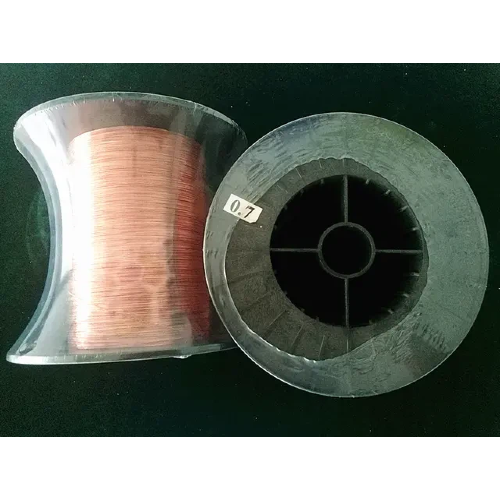
Some welding wire is coated with materials like copper to improve its conductivity, reduce spatter, and prevent rusting. The coating ensures that the wire moves smoothly through the welding machine and prevents oxidation.
Common Coatings on Welding Wire:
3. Additives and Alloying Elements
Additives and alloying elements are included in welding wire to enhance its properties, such as strength, resistance to corrosion, and weldability.
Manganese, Silicon, and Carbon in Welding Wire
Manganese: Improves strength and toughness of the weld.
Silicon: Enhances fluidity of the weld pool, reducing spatter and improving bead appearance.
Carbon: Increases hardness and tensile strength, making the weld more resistant to mechanical stress.
Chromium and Molybdenum in High-Performance Wires
Chromium: Increases corrosion resistance and hardness, making it ideal for high-performance welding wire.
Molybdenum: Provides enhanced resistance to heat and is often used in welding wire for high-temperature applications.
Types of Welding Wire Based on Material Composition
1. Solid Welding Wire
Solid welding wire is made from a single metal and is often used in MIG welding. It is commonly used for welding materials like mild steel and stainless steel and is known for its ease of use and versatility.
Key Features:
Requires external shielding gas
Ideal for thin materials and high-quality welds
Applications:
General fabrication
Automotive manufacturing
Sheet metal fabrication
2. Flux-Cored Welding Wire
Flux-cored welding wire contains a core of flux material that helps protect the weld pool from contamination. It can be self-shielding or require shielding gas, making it versatile for various welding applications.
Key Features:
Higher deposition rate
Suitable for outdoor welding
Applications:
Heavy equipment repair
Pipeline welding
Shipbuilding
3. Stainless Steel Welding Wire
Stainless steel welding wire is made specifically for welding stainless steel, offering excellent corrosion resistance and strength. It is available in both solid and flux-cored forms.
Key Features:
High corrosion resistance
Ideal for high-stress environments
Applications:
Food processing
Pharmaceutical equipment
Marine environments
4. Aluminum Welding Wire
Aluminum welding wire is designed for welding aluminum and its alloys. It has a low melting point and is ideal for applications that require lightweight materials.
Key Features:
Lower melting point
Excellent thermal conductivity
Applications:
Aerospace
Automotive industry
Lightweight structures
The Manufacturing Process of Welding Wire
How Welding Wire is Made
The process of manufacturing welding wire involves several steps, including drawing, coating, and flux filling. High-quality welding wire manufacturers carefully control each step to ensure that the wire meets industry standards.
Drawing: The wire is drawn from a metal rod to the desired thickness.
Coating: The wire is coated with materials like copper to improve its performance.
Flux Filling: In flux-cored wire, a flux material is filled into the core.
Quality Control in Welding Wire Production
Welding wire must pass rigorous quality control tests to ensure it meets the required standards for strength, flexibility, and weldability. Quality control ensures that the wire performs as expected during the welding process and delivers a strong, reliable weld.
How the Composition Affects Welding Performance
Impact of Material Composition on Weld Quality
The material composition of welding wire has a direct impact on the final weld quality. For example, welding wires with high manganese content provide stronger and more durable welds, while those with higher silicon content result in smoother, more aesthetic welds.
Choosing the Right Welding Wire Composition for Your Project
Selecting the appropriate welding wire composition involves understanding the type of material being welded, the welding process, and the specific requirements of your project. Always choose a wire that matches the conditions and performance needs of your welding application.
Common Problems Linked to Welding Wire Composition
Incorrect welding wire composition can lead to various issues, such as poor weld quality, cracks, and porosity. Using the right welding wire reduces these risks and ensures the final product is strong and reliable.
Conclusion
Welding wire is crafted from a range of base metals, fillers, coatings, and alloying elements, each playing a vital role in determining the performance and quality of the weld. Understanding the materials used in welding wire is essential for selecting the right wire for specific applications, whether for general fabrication or specialized high-performance welding.
By choosing the right welding wire composition, you ensure that your welds meet the necessary strength, durability, and performance standards. The correct wire selection helps prevent issues such as weak joints, corrosion, and weld failures, ultimately saving time and money on repairs or rework.
At SHANDONG JULI WELDING, we provide high-quality welding wire tailored to various industrial needs. Our products are designed to meet the demands of different welding processes, ensuring strong, reliable, and long-lasting welds. Whether you’re working on construction, automotive manufacturing, or shipbuilding, we can help you choose the ideal welding wire for your project.
Feel free to contact us to learn more about our products and how we can assist in optimizing your welding applications.
FAQ
Q1: What is welding wire made of?
Answer: Welding wire is typically made from base metals such as mild steel, stainless steel, and aluminum. It may also include additives like manganese, silicon, and chromium, as well as flux or coatings for specific applications, depending on the welding method and material being welded.
Q2: Why is flux used in welding wire?
Answer: Flux is used in flux-cored welding wire to protect the weld pool from contamination, such as oxygen and nitrogen. It helps produce cleaner welds, reduces spatter, and can be used in situations where gas shielding is not feasible, such as outdoor or heavy-duty welding.
Q3: Can I use welding wire for aluminum welding?
Answer: Yes, aluminum-specific welding wire is available for use with aluminum materials. It’s designed to handle the unique challenges of aluminum welding, such as low melting points and high thermal conductivity.
Q4: What are the benefits of using stainless steel welding wire?
Answer: Stainless steel welding wire provides excellent corrosion resistance, making it ideal for industries like food processing and pharmaceuticals. It ensures strong, durable welds in harsh environments.
Q5: How does welding wire composition affect weld quality?
Answer: The composition of the welding wire directly impacts the strength, durability, and appearance of the weld. For example, high-carbon welding wires provide greater strength, while wires with higher chromium content enhance corrosion resistance. Selecting the right wire ensures the weld meets the required performance standards.


