Introduction to Welding Wire
What is Welding Wire?
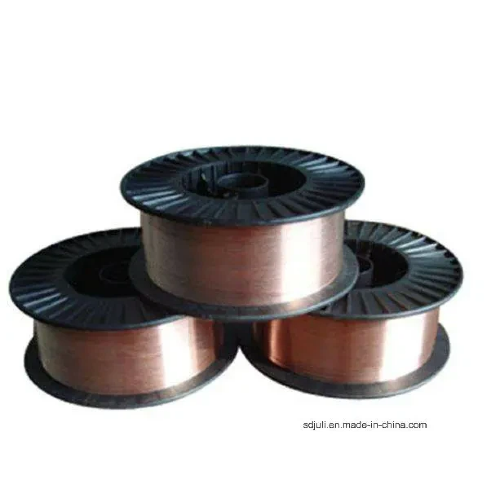
Welding wire is a critical component used in the welding process, serving as the material that is melted to join two pieces of metal together. The wire is fed into the welding machine, where it is melted and then deposited into the joint to form a strong bond. Welding wire can be categorized into several types, each designed for specific welding processes and materials.
Welding wire is commonly used in various industries, including construction, automotive, aerospace, and shipbuilding, as it ensures the integrity and strength of welded structures. Without the proper welding wire, the efficiency and effectiveness of welding would be compromised, leading to weak joints and potential failure of structures.
Importance of Welding Wire in Various Industries
Welding wire is used in nearly every industry that involves metalworking. Whether it's joining pieces of steel, stainless steel, aluminum, or other alloys, welding wire ensures the quality and durability of the weld. Industries such as automotive manufacturing, construction, oil and gas, and shipbuilding rely heavily on welding wire for the fabrication and assembly of parts and structures.
Welding wire is also essential in maintenance and repair applications, as it helps repair or reinforce existing structures. The high strength and versatility of welding wire make it indispensable for ensuring safety, longevity, and performance across various applications.
Types of Welding Wire
Welding wire comes in several types, each designed to suit specific applications, welding methods, and material types. Below is a detailed look at the most common types of welding wire.
Solid Welding Wire
Solid welding wire is a simple, straightforward wire that is used primarily in MIG (Metal Inert Gas) welding. It is made of a solid metal without any flux or filler material. Solid welding wire is ideal for welding materials like mild steel and stainless steel, especially when a clean, high-quality weld is required.
Characteristics of Solid Welding Wire
Composed of a single material
Requires external shielding gas
Commonly used for MIG welding
Provides strong, clean welds
Applications:
Automotive manufacturing
Structural steel welding
Sheet metal fabrication
Flux Cored Wire
Flux cored wire is similar to solid welding wire but features a core of flux material. This flux core helps protect the weld pool from contaminants during the welding process, making flux cored wire suitable for outdoor welding or welding in conditions where shielding gas may not be feasible.
Advantages of Flux Cored Wire
Self-shielding or gas-shielded variants
Can be used in outdoor and windy conditions
High deposition rates
Less spatter and fumes compared to solid wire
Applications:
Heavy equipment repair
Pipeline welding
Shipbuilding
Gas Shielded Solid Welding Wire
Gas shielded solid welding wire is designed for use with shielding gases like argon or CO2 to protect the weld pool from atmospheric contamination. This type of wire is used in welding processes like MIG welding and is ideal for high-quality, clean welds.
Key Benefits of Gas Shielded Solid Welding Wire
Provides excellent control over the weld pool
Results in smoother, cleaner welds
Reduced post-weld clean-up due to less spatter
Widely used in industries that require strong, precise welds
Applications:
Aerospace
Automotive manufacturing
Thin-walled metal fabrication
Submerged Arc Welding Wire
Submerged Arc Welding (SAW) wire is used in the submerged arc welding process, where the welding wire is continuously fed into the weld pool beneath a layer of flux. This process creates deep weld penetration and is ideal for thick materials.
Advantages of Submerged Arc Welding Wire
High welding speed and efficiency
Deep weld penetration
Suitable for welding thick materials
Minimal spatter and fumes
Applications:
Shipbuilding
Heavy equipment manufacturing
Structural steel welding
Stainless Steel Welding Wire
Stainless steel welding wire is specifically designed for use with stainless steel materials. It is available in both solid and flux-cored types and is essential in applications where corrosion resistance is paramount.
Benefits of Stainless Steel Welding Wire
Provides excellent corrosion resistance
Ideal for welding stainless steel in harsh environments
Available in various grades for different applications
Applications:
Food processing
Pharmaceutical equipment manufacturing
Marine and chemical industries
Applications of Welding Wire
Welding wire is used in a variety of industries, from manufacturing to maintenance and repair. Below are some of the key industries where welding wire plays a critical role.
Welding in Construction
In construction, welding wire is used for joining structural components, such as beams, columns, and joints. The welding wire used in this industry needs to have high tensile strength and durability to support large structures and withstand harsh weather conditions.
Type of Welding Wire | Material | Welding Process | Applications |
Solid Welding Wire | Steel, Stainless | MIG | Structural beams, frames |
Flux Cored Welding Wire | Steel, Aluminum | MIG, Flux Cored | Steel reinforcement |
Stainless Steel Welding Wire | Stainless Steel | TIG, MIG | Corrosion-resistant joints |
Automotive and Aerospace Industries
Welding wire is used extensively in the automotive and aerospace industries for fabricating parts like frames, body panels, and exhaust systems. The welding wire in these applications must meet strict standards for strength, precision, and reliability to ensure the safety and performance of the vehicles or aircraft.
Shipbuilding and Offshore Industries
In shipbuilding and offshore drilling platforms, welding wire is used to join thick metal plates and components. Submerged arc welding and flux-cored wire are common in this industry due to their high deposition rates and ability to weld thick materials.
How to Choose the Right Welding Wire
Choosing the right welding wire depends on several factors, including the material being welded, the welding process, and the specific application. Here’s a guide to help you select the right welding wire.
Factors to Consider
Factor | Importance | Recommended Welding Wire |
Material Being Welded | Determines the type of wire needed | Stainless steel: Stainless steel welding wire |
Welding Process | Influences the type of wire and method used | MIG: Solid welding wire, TIG: Stainless steel welding wire |
Welding Position | Affects ease of welding and wire choice | Horizontal or vertical: Flux cored wire |
Shielding Gas Requirements | Impact on wire selection and shielding | CO2 or argon: Gas shielded solid wire |
Matching Welding Wire to Your Application
Different welding processes require specific types of welding wire. Here's how to match your wire choice to your project:
MIG Welding: Solid welding wire or flux-cored wire is ideal for MIG welding, depending on whether you need gas shielding.
TIG Welding: Use solid welding wire for precision welding in thin materials.
Stick Welding: Flux-cored wire is often preferred due to its ability to self-shield.
Cost vs. Performance
While higher-quality welding wire may cost more upfront, it can improve the efficiency, strength, and appearance of the weld, saving you time and money in the long run. It’s essential to find a balance between performance and cost based on your project’s requirements.
Benefits of Using Quality Welding Wire
Using high-quality welding wire offers several benefits that can significantly improve the efficiency, safety, and outcome of your welding projects.
Enhanced Weld Strength and Durability
High-quality welding wire creates strong, durable joints that can withstand mechanical stress, environmental exposure, and temperature fluctuations. This is particularly important in industries like aerospace, automotive, and construction, where weld integrity is critical.
Reduced Welding Spatter
Quality welding wire leads to cleaner welds with less spatter. This reduces the need for additional clean-up and ensures that the welds are smooth, improving the overall aesthetic and functionality of the final product.
Better Productivity and Efficiency
Using the right welding wire can increase welding speed and efficiency. This is particularly beneficial in high-volume manufacturing environments where time and precision are crucial. Quality wire reduces downtime and ensures consistent performance.
Conclusion
Welding wire is an essential and versatile component in welding, designed for specific applications, materials, and welding processes. Common types, including solid welding wire, flux-cored wire, gas-shielded wire, and stainless steel welding wire, offer unique benefits tailored to diverse industries. By choosing the right welding wire, you can ensure strong, durable, and reliable welds, whether for construction projects, automotive manufacturing, or shipbuilding.
Investing in high-quality welding wire is crucial for producing welds that are resistant to weak joints and failures, ultimately saving time and reducing costs associated with repairs and rework. At SHANDONG JULI WELDING, we are committed to providing top-quality welding wire designed to meet the demands of various industries. Our products help enhance welding performance and efficiency, ensuring the success of your projects.
For more information or to discuss your specific welding needs, feel free to reach out to us. Our team is ready to assist you with expert advice and solutions tailored to your requirements.
FAQ
Q1: What is the difference between solid welding wire and flux cored welding wire?
Answer: Solid welding wire is a single metal wire that requires an external shielding gas, whereas flux cored wire has a flux core that can either be self-shielding or require gas shielding, making it suitable for outdoor welding.
Q2: Can I use welding wire for aluminum welding?
Answer: Yes, aluminum-specific welding wire is available for use with aluminum materials. It’s designed to handle the unique challenges of aluminum welding, such as low melting points and heat conductivity.
Q3: What are the benefits of using stainless steel welding wire?
Answer: Stainless steel welding wire provides excellent corrosion resistance, making it ideal for industries like food processing and pharmaceuticals. It ensures strong, durable welds in harsh environments.
Q4: How do I select the right welding wire for my project?
Answer: Consider the material being welded, the welding process (MIG, TIG, Stick), and the specific application. Select the wire that matches these factors to ensure strong, clean welds.
Q5: Why is welding wire so important in the automotive industry?
Answer: Welding wire ensures the safety and performance of vehicles by creating strong, durable joints in critical components such as frames, body parts, and exhaust systems.


