Introduction to Welding Wire
What is Welding Wire?
Welding wire is an essential component used in the welding process, acting as the material that is melted to form a bond between two metals. It is fed into a welding machine, where it is melted and deposited into the weld joint. The wire is usually made from a variety of metals or alloys depending on the specific requirements of the welding process and the materials being joined.
Welding wire plays a crucial role in ensuring that the welds are strong, durable, and resistant to the stresses and conditions they will face in the real world. It is typically used in various forms, including solid wire, flux-cored wire, and more, each tailored to suit different types of welding applications.
The composition of welding wire can vary, and it is critical to choose the right type of wire for the materials being welded and the specific requirements of the project. This wire is used in a variety of industries, from construction to automotive, aerospace, and shipbuilding.
Why is Welding Wire Essential?
Welding wire is used in virtually all sectors that involve metalworking. It is an indispensable tool for joining metal components, from small parts in household appliances to large steel beams in high-rise buildings. Understanding its application is vital to ensuring high-quality and long-lasting welds that meet the performance and safety standards of each industry.
The role of welding wire extends beyond its simple function as a bonding agent. It directly impacts the strength, appearance, and durability of the welds. A poor-quality welding wire can lead to weak joints, cracks, and corrosion, while the right choice of welding wire can significantly improve the overall quality of the weld.
Key Applications of Welding Wire
1. General Fabrication
What is Welding Wire Used for in General Fabrication?
Welding wire plays a pivotal role in the general fabrication industry, where it is used to join metal components into larger structures. Whether it’s for manufacturing parts, tools, or frames, welding wire is critical in achieving strong, reliable joints that can hold up under stress.
In general fabrication, welding wire is used to join materials such as mild steel, stainless steel, and aluminum. The right type of welding wire ensures that these materials fuse together without weakening the structure. For example, when joining thin sheets of metal, a solid welding wire may be preferred for its smooth finish and clean welds. On the other hand, thicker components may require flux-cored wire for faster deposition and greater weld penetration.
Common Industries:
Automotive: Fabricating components like frames, body parts, and exhaust systems.
Furniture Manufacturing: Welding metal components to create furniture frames.
Metal Construction: Used for creating and joining structural components in construction projects.
2. Automotive Industry
Welding Wire in Automotive Manufacturing
In the automotive industry, welding wire is essential for manufacturing vehicles. It is used in welding parts of the car body, engine components, chassis, and exhaust systems. Given the high-stress environment these parts operate in, the quality of the welds is critical. Automotive welding wire needs to be strong, precise, and capable of maintaining its integrity under high temperatures and pressures.
The type of welding wire used in the automotive industry depends on the specific part being welded. For example, MIG welding with solid wire is often used for body panels, while TIG welding with stainless steel wire may be employed for precision engine components.
Welding Wire Applications in Automotive:
MIG Welding for Car Body Panels: Solid wire for clean, high-quality welds.
TIG Welding for Precision Engine Components: Stainless steel or aluminum welding wire for corrosion resistance and strength.
Welding Method | Wire Type | Application |
MIG Welding | Solid Welding Wire | Car body panels, structural parts |
TIG Welding | Stainless Steel/Aluminum | Engine components, high-precision work |
3. Aerospace Industry
What is Welding Wire Used for in Aerospace?
Welding wire plays a critical role in the aerospace industry, where materials like aluminum, titanium, and other lightweight, high-strength alloys are used. These materials require specific types of welding wire to achieve the necessary weld strength and performance, especially in parts that are subject to extreme conditions, such as heat and pressure in aircraft and spacecraft.
In aerospace welding, it is essential to use the right wire to avoid defects like cracking, corrosion, or poor bond strength. High-performance wires, such as those made from aluminum, titanium, or nickel alloys, are often used to ensure that the welds meet the rigorous standards required for aerospace applications.
Materials and Wire Types Used:
Aluminum Welding Wire: Ideal for lightweight and high-strength components.
Titanium Welding Wire: Used for parts that need to withstand extreme temperatures and stress.
Nickel-Alloy Welding Wire: Suitable for high-temperature and corrosion-resistant applications.
Material | Wire Type | Application |
Aluminum | Aluminum Welding Wire | Aircraft body, lightweight parts |
Titanium | Titanium Welding Wire | High-temperature aerospace components |
Nickel-Alloy | Nickel Alloy Welding Wire | Turbine components, heat exchangers |
4. Shipbuilding and Offshore Welding
Welding Wire Applications in Shipbuilding
The shipbuilding industry requires welding wire that can handle the demands of welding large metal sections and withstand the harsh marine environment. Welding wires used in shipbuilding are typically strong, durable, and resistant to corrosion. In offshore welding, where the materials are often exposed to saltwater, welding wire that resists corrosion and stress cracking is essential.
Welding methods like submerged arc welding (SAW) and flux-cored arc welding (FCAW) are commonly used in shipbuilding, and the type of wire used depends on the thickness of the material and the specific welding requirements.
Welding Methods in Shipbuilding:
Submerged Arc Welding (SAW): High deposition rates, used for welding thick sections of steel.
Flux-Cored Arc Welding (FCAW): Provides deeper penetration and is ideal for heavy-duty welding.
Welding Method | Wire Type | Application |
Submerged Arc Welding | Solid/Flux-Cored Welding Wire | Thick metal sections, ship hulls |
Flux-Cored Arc Welding | Flux-Cored Welding Wire | Heavy-duty components, pipelines |
5. Construction and Infrastructure
Welding Wire in Construction
In construction, welding wire is used for joining structural steel beams, reinforcement bars, and columns. Whether constructing a building, a bridge, or a high-rise, welding wire ensures that the joints are strong enough to bear heavy loads and withstand environmental stressors. Construction welding wire must provide high strength, fatigue resistance, and the ability to work in challenging environments.
Selecting the right welding wire composition for these applications is crucial. For instance, solid welding wire may be used for thinner components, while flux-cored wire is better for thicker joints where more deposition and penetration are required.
Key Uses:
Application | Wire Type | Welding Method |
Steel Beam Construction | Solid Welding Wire | MIG Welding |
Concrete Reinforcement | Flux-Cored Welding Wire | FCAW |
6. Maintenance and Repair
Welding Wire for Maintenance and Repair
Welding wire is extensively used in the maintenance and repair industries to fix or restore damaged parts of machinery, vehicles, pipelines, and more. Whether repairing a cracked engine block or reinforcing heavy-duty equipment, the right welding wire is critical for achieving a durable, long-lasting repair.
Flux-cored wire and solid wire are typically used in maintenance work, depending on the type of metal being repaired and the working conditions.
Industries Benefiting from Maintenance Welding:
Mining: Welding wire used for repairing mining equipment.
Manufacturing: Maintenance of machinery and tools.
Oil & Gas: Pipeline repairs and maintenance of offshore equipment.
Industry | Wire Type | Application |
Mining | Flux-Cored Welding Wire | Equipment repair, heavy machinery |
Manufacturing | Solid/Flux-Cored Welding Wire | Tool and machinery maintenance |
Oil & Gas | Solid Welding Wire | Pipeline repair and maintenance |
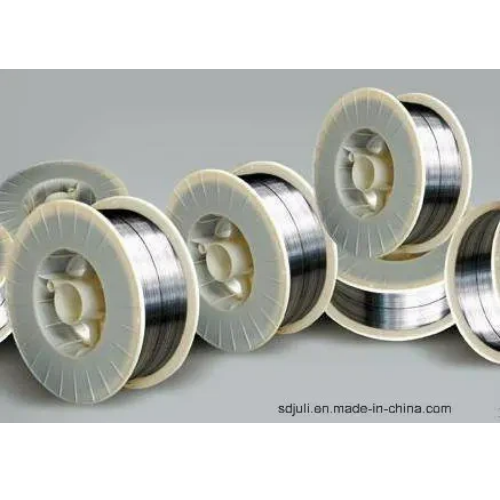
Different Types of Welding Wire and Their Specific Uses
1. Solid Welding Wire
What is Solid Welding Wire Used for?
Solid welding wire is the most commonly used type in general welding applications. It is simple to use, easy to control, and ideal for light to medium welding jobs. It is typically used in MIG welding, where it is fed continuously through a welding gun.
Key Features:
Requires external shielding gas.
Ideal for welding thin materials.
Applications:
Sheet metal fabrication.
Automotive bodywork.
2. Flux-Cored Welding Wire
What is Flux-Cored Welding Wire Used for?
Flux-cored welding wire has a core of flux that provides additional protection to the weld pool, making it suitable for outdoor and heavy-duty welding. It can be used with or without external shielding gas, depending on the wire type.
Key Features:
High deposition rates.
Ideal for welding thicker materials.
Applications:
Heavy equipment repair.
Pipeline welding.
3. Stainless Steel Welding Wire
What is Stainless Steel Welding Wire Used for?
Stainless steel welding wire is used to weld stainless steel and other corrosion-resistant alloys. It is critical in industries where the material must withstand corrosion, such as food processing, pharmaceuticals, and marine environments.
Key Features:
High corrosion resistance.
Excellent for high-strength applications.
Applications:
Food processing equipment.
Marine structures.
4. Aluminum Welding Wire
What is Aluminum Welding Wire Used for?
Aluminum welding wire is designed for welding aluminum materials and alloys. Its low melting point and high thermal conductivity require specific welding techniques, which make aluminum welding wire the best choice for such applications.
Key Features:
Lightweight.
High thermal conductivity.
Applications:
Aerospace industry.
Automotive manufacturing.
Why Choosing the Right Welding Wire Matters
1. Impact on Weld Quality
The material composition of welding wire directly influences the final quality of the weld. Welding wire with high tensile strength can provide stronger joints, while wires with better corrosion resistance ensure that the weld will perform well in harsh environments.
2. Productivity and Cost Considerations
Selecting the correct welding wire can improve productivity by reducing weld time and enhancing efficiency. High-quality welding wire can also minimize downtime due to repairs or rework.
3. Avoiding Weld Failures
Welding failures, such as cracks or weak joints, are often caused by using the wrong type of wire. Choosing the right welding wire for the material being welded and the welding method ensures a secure, long-lasting joint.
Conclusion
Welding wire plays a crucial role in various industries, from automotive manufacturing to construction, shipbuilding, and aerospace. Each industry requires a specific type of welding wire to ensure high-quality and durable welds. The selection of the right welding wire is vital to achieving the desired weld strength, performance, and longevity.
At SHANDONG JULI WELDING, we understand the diverse needs of different industries, and we offer a wide range of welding wire products tailored to meet those needs. Whether your project involves general fabrication or specialized high-performance welding, choosing the right welding wire is key to ensuring strong, reliable, and cost-effective results.
Our team is here to help guide you in selecting the ideal welding wire for your specific application. We are committed to providing high-quality welding wire that meets industry standards, ensuring that your welding projects are executed with precision and durability. Feel free to reach out to us for more information or to discuss your specific welding needs.
FAQ
Q1: What is welding wire used for?
Answer: Welding wire is used to join metal components in various industries. It is melted to form a strong bond between two pieces of metal, ensuring that the joint is secure and durable.
Q2: Can welding wire be used for aluminum welding?
Answer: Yes, aluminum-specific welding wire is available and designed to handle the unique challenges of welding aluminum materials.
Q3: What are the advantages of flux-cored welding wire?
Answer: Flux-cored welding wire offers higher deposition rates and can be used outdoors without shielding gas, making it ideal for heavy-duty applications.
Q4: Why is stainless steel welding wire used in high-corrosion environments?
Answer: Stainless steel welding wire is known for its exceptional corrosion resistance, making it ideal for industries that require durable materials exposed to harsh environments.
Q5: How does welding wire affect the overall productivity of a project?
Answer: The right welding wire improves welding speed, reduces spatter, and ensures clean, strong welds. This leads to increased productivity and lower costs due to fewer repairs and rework.


