In the eyes of a layman, a welding electrode appears to be a simple metallic rod. However, in the field of materials science, it is recognized as a highly sophisticated composite tool. The performance of welding electrodes is not accidental; it is the result of precise metallurgical engineering where every mineral in the coating and every point of carbon in the core wire serves a specific physical or chemical purpose. Understanding what these electrodes are made of is essential for B2B procurement, engineering safety, and recognizing the difference between a high-quality consumable and a substandard one that could compromise structural integrity.
This article provides a comprehensive deep dive into the raw materials, chemical compounds, and manufacturing precision that define modern welding technology.
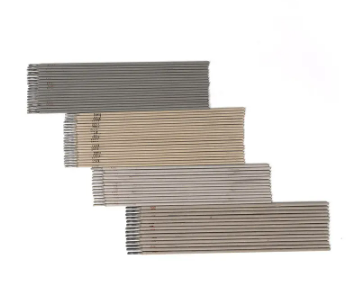
The Core Wire: The Metallurgical Backbone
The foundation of any electrode is its core wire. This internal metal rod performs two vital functions: it conducts the high-amperage electrical current from the holder to the arc, and it provides the filler metal that occupies the joint.
Base Metal Matching and Chemical Purity
The core wire is typically manufactured from a specific grade of steel or alloy that closely matches the parent metal. For general construction, low-carbon rimmed steel is the standard. However, the purity of this steel is paramount. High-quality welding electrodes use core wires with strictly controlled levels of sulfur and phosphorus—impurities that can cause "hot shortness" or cracking during cooling. A core wire that is too high in sulfur will lead to brittle welds, regardless of the welder's skill.
Alloying for Specific Properties
For specialized applications, the core wire is infused with chromium, nickel, or molybdenum. In stainless steel electrodes, the core wire is the primary source of corrosion resistance. The manufacturing process at Shandong Juli Welding ensures that these wires have perfect "concentricity." If the wire is not perfectly centered within the flux, the arc will wander to one side, a defect known as "fingernailing" that results in uneven penetration and weak joints.
The Chemistry of the Flux Coating: A Miniature Chemical Plant
If the core wire is the backbone, the flux coating is the "brain" of the electrode. It is a complex mixture of minerals and organic compounds that react within the 6,000°C heat of the arc to create the perfect welding environment.
Slag-Forming Materials: The Protective Blanket
The most visible product of the flux is the slag. Materials such as rutile (natural titanium dioxide), ilmenite, and iron oxide are used to create this molten crust. When these minerals melt, they float to the top of the weld pool. They act as a protective barrier against the atmosphere and help shape the cooling bead into a smooth, uniform profile. The ratio of these minerals determines whether the slag is "short" (freezes quickly for overhead welding) or "long" (ideal for flat, aesthetic welds).
Gas-Shielding Compounds: Creating the Local Vacuum
To prevent the weld from becoming brittle due to nitrogen and oxygen contamination, the flux must generate its own atmosphere. In cellulosic electrodes, wood flour or cotton fibers burn off to create a shield of carbon dioxide and hydrogen. In low-hydrogen electrodes, fluorides and calcium carbonates are used to create a shield that is virtually free of moisture-carrying hydrogen. This gaseous shield is the only thing standing between a perfect fusion and a porous, weak weld.
Deoxidizers and Scavengers: Internal Cleansing
Even on cleaned metal, microscopic oxidation occurs during the heating phase. Flux coatings contain "scavengers" like ferro-manganese and ferro-silicon. These elements have a high affinity for oxygen; they react with impurities in the molten pool, pulling them out and incorporating them into the slag, effectively "cleansing" the metal during the fusion process. Without these scavengers, the weld would be riddled with microscopic inclusions.
Arc Stabilizers and Ionizers: Controlling the Plasma
Maintaining a steady arc across a tiny air gap requires the air to be ionized. This is where the chemistry of the coating becomes truly advanced, dealing with sub-atomic particle movement.
The Role of Potassium and Sodium
Alkaline metals like potassium and sodium are frequently added to the flux. These elements have a low "ionization potential," meaning they release electrons very easily when heated. This ensures that the arc strikes instantly and remains stable even at lower voltages or when using Alternating Current (AC). Without these stabilizers, the arc would flicker and extinguish, leading to poor fusion, cold laps, and excessive spatter.
Binding Agents: The Structural Glue
To keep the powdered minerals attached to the core wire during transport and use, binding agents are used. The most common is sodium silicate or potassium silicate, often referred to as "water glass." This liquid binder is mixed with the dry flux to form a paste. Once extruded and baked at specific temperatures, it creates a hard, durable ceramic-like coating that resists chipping. If the binder quality is poor, the flux will peel away, leaving the core wire exposed and the weld unprotected.
Specialized Additives for Enhanced Industrial Performance
Modern manufacturing has allowed for the inclusion of additives that significantly boost the efficiency and speed of the welding process, making it more profitable for large-scale construction.
Iron Powder Integration
One of the most significant advancements in welding electrodes is the addition of iron powder to the flux coating. When the arc melts the coating, this iron powder is recovered and added to the weld pool. This can increase the "recovery rate" of the electrode to over 100%, meaning you get more weld metal on the joint than the weight of the core wire alone. This is a massive cost-saver in heavy industrial manufacturing and high-speed shipbuilding.
Alloying Elements Transfer through Coating
Sometimes, it is more efficient to add alloying elements like vanadium or extra chromium through the coating rather than the core wire. This allows manufacturers to create "bespoke" metallurgical properties for the weld bead, such as extreme hardness for wear-resistant surfacing or high ductility for seismic-resistant structures. It provides a level of flexibility that solid-wire electrodes cannot match.
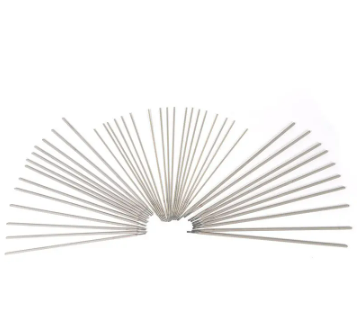
The Manufacturing Process: Precision in Every Millimeter
The quality of what welding electrodes are made of depends entirely on the precision of the manufacturing facility and the consistency of the raw material sourcing.
Mineral Sourcing and Chemical Filtration
Consistency is the hallmark of a professional manufacturer. At Shandong Juli Welding, we source minerals from verified global suppliers to ensure that every batch of rutile or limestone has the exact same chemical profile. Any trace amounts of lead or zinc are strictly filtered out, as these could cause toxic fumes or weld porosity.
High-Pressure Extrusion and Baking
Once the flux paste is prepared, it is applied to the core wire using high-pressure extrusion machines. This ensures the coating is dense, uniform, and perfectly concentric. After extrusion, the electrodes are passed through multi-stage drying ovens. This baking process is critical; it must remove all moisture without cracking the flux. For low-hydrogen electrodes, this process is even more rigorous, often involving hours of high-temperature curing to ensure the final product is "ultra-dry."
Conclusion: Material Integrity for Global Infrastructure
An electrode is a marvel of chemical and metallurgical balance. From the low-carbon steel core to the complex cocktail of silicates and oxides in the coating, every gram of material is designed to withstand the violent environment of the electric arc. When you understand what welding electrodes are made of, you begin to appreciate why sourcing from a manufacturer with a rigorous laboratory and testing protocol is non-negotiable for serious engineering projects.
Material Excellence with Shandong Juli Welding Co., Ltd.
The difference between a successful project and a structural failure often lies in the quality of the raw materials. At Shandong Juli Welding Co., Ltd., we have spent over 20 years mastering the metallurgy of welding consumables. Our 150,000-square-meter facility in Dezhou operates with a 450,000-metric-ton annual capacity, yet we maintain the precision of a laboratory for every batch.
By employing 300 technical experts to oversee the chemical blending of our flux and the purity of our core wires, we ensure that our products meet the highest AWS and ISO standards. Exporting to over 50 countries, we provide the global infrastructure industry with welding electrodes that are not just "metal sticks," but highly engineered solutions designed for the toughest environments on Earth. When you choose Shandong Juli Welding, you are choosing material integrity, industrial scale, and decades of technical leadership.


