In the world of metal fabrication, welding stands as the most critical process for joining materials with structural integrity. At the heart of this process lies a small but high-tech component: the welding electrodes. Whether you are building a skyscraper, repairing a ship's hull, or working on a DIY project in your garage, understanding the nature, function, and selection of electrodes is the difference between a weld that lasts a lifetime and one that fails under pressure.
This guide provides a deep dive into the world of welding electrodes, exploring their chemical composition, their physical behavior in the electric arc, and how to choose the right one for your specific industrial needs.
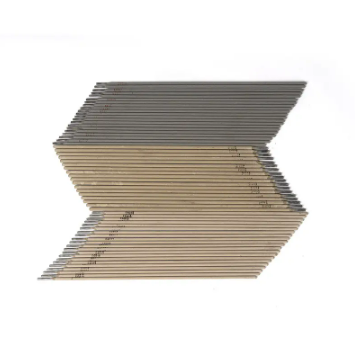
Fundamental Understanding: How Welding Electrodes Work
To understand what a welding electrode is, one must first understand the circuit of an arc welder. In most welding processes, the electrode is the terminal that conducts electricity from the welding machine to the base metal.
The Physics of the Arc
When the tip of the electrode touches the workpiece and is then slightly withdrawn, the air gaps become ionized, creating an electric arc. This arc generates intense heat—often exceeding 3,500°C—which is sufficient to melt both the base metal and the electrode itself. In this high-energy environment, the welding electrodes act as a catalyst for the fusion of metals.
Consumable vs. Non-Consumable Electrodes
The industry categorizes electrodes into two primary families based on their behavior during the weld:
Consumable Electrodes: These have a low melting point and actually melt away during the process, providing the "filler metal" that fills the gap between two workpieces. Common examples include Stick (SMAW) electrodes and MIG (GMAW) wires.
Non-Consumable Electrodes: These are made of materials with extremely high melting points, such as Tungsten. They do not melt into the weld pool; their only job is to maintain the arc. If filler metal is needed, it must be added manually via a separate rod. This is the standard for TIG (GTAW) welding.
The Anatomy of a Welding Electrode
A standard stick electrode (SMAW) is not just a piece of wire. It is a highly engineered tool consisting of two distinct parts: the core wire and the flux coating.
The Core Wire
The core wire is the backbone of the electrode. Its primary function is to carry the welding current and provide the filler metal for the joint. To ensure a strong bond, the chemical composition of the core wire usually matches the base metal being welded. For instance, a stainless steel electrode will have a high chromium and nickel content to match the properties of the stainless steel plates.
The Flux Coating: More Than Just a Cover
The most complex part of welding electrodes is the flux. When the electrode melts, the flux performs several "miracles" simultaneously:
Shielding Gas Production: As the flux burns, it releases a cloud of CO2 and other gases. This "shield" protects the molten weld pool from oxygen and nitrogen in the atmosphere, which would otherwise cause porosity and brittleness.
Slag Formation: The flux melts into a liquid slag that floats on top of the weld pool. As it cools, the slag protects the hot metal from rapid oxidation and helps shape the weld bead.
Arc Stabilization: Flux contains ionizing elements (like potassium or sodium) that help the arc stay steady and prevent it from flickering or extinguishing.
Deoxidation: Chemical agents in the flux react with any rust or scale on the metal, cleaning the weld from the inside out.
Common Types of Welding Electrodes and Their Applications
Choosing the right welding electrodes is an art form. Different coatings and alloys are designed for specific tasks.
Stick Welding Electrodes (SMAW)
These are the most common electrodes used in heavy construction and outdoor repairs.
Cellulosic (e.g., E6010): These have a high concentration of cellulose in the coating. They produce a very "digging" and forceful arc that penetrates deep into the metal. They are the "gold standard" for pipeline welding but produce a lot of smoke and spatter.
Rutile (e.g., E6013): Often called the "general purpose" rod. These are easy to strike, produce very little spatter, and the slag peels off easily. They are ideal for thin sheet metal and hobbyist projects.
Low-Hydrogen (e.g., E7018): Known as the "Code Rod," these are used for structural steel. They produce welds with high ductility and resistance to cracking. However, they must be kept bone-dry in specialized ovens, as any moisture in the flux can lead to hydrogen embrittlement.
TIG Welding Electrodes (GTAW)
In TIG welding, the electrodes are made of Tungsten. They are color-coded to indicate their alloy:
Pure Tungsten (Green): Used primarily for AC welding of aluminum.
Thoriated (Red): Contains thorium oxide; it is the most popular for DC welding of steel and stainless steel due to its longevity and arc starts.
Lanthanated (Gold/Blue): A non-radioactive alternative to Thoriated Tungsten, offering excellent arc stability across a wide range of currents.
Understanding the AWS Classification System
The American Welding Society (AWS) created a standardized numbering system so that welders across the globe can speak the same language. If you look at a stick electrode, you will see a code like E7018.
Decoding the Numbers
E: This simply stands for "Electrode."
70: These first two (or three) digits represent the Minimum Tensile Strength. In this case, it means the weld can withstand 70,000 psi of pressure before breaking.
1: The third digit indicates the Welding Position.
1 = All positions (Flat, Horizontal, Vertical, Overhead).
2 = Flat and Horizontal fillets only.
8: The final digit describes the Type of Coating and the current it can handle (AC, DC+, or DC-). An '8' signifies a low-hydrogen potassium coating with iron powder.
How to Choose the Right Welding Electrode
Selection is not just about the metal; it's about the environment and the operator's skill.
Base Metal Properties
The "Golden Rule" of welding is to match like with like. If you are welding high-tensile steel, you need welding electrodes with an equal or higher tensile strength. If you are welding cast iron, you need a nickel-based electrode to handle the unique expansion properties of that metal.
Welding Current and Polarity
Some electrodes only work on DC (Direct Current), while others are designed for AC (Alternating Current). Using a DC-only rod on an AC machine will result in a sputtering, unstable arc and a weak weld. Always check the manufacturer's specs for the correct polarity (DCEP vs. DCEN).
Environmental Conditions
If you are welding outdoors in a windy shipyard, a gas-shielded process like MIG is useless because the wind blows the shielding gas away. In this scenario, a stick electrode with a heavy flux coating is the only choice, as it creates its own internal gas shield.
Joint Design and Fit-up
For tight joints with no gap, a shallow-penetrating rod like E6013 is fine. However, if the plates have a wide gap or are very thick, you need a deep-penetrating rod like E6010 to ensure the weld goes all the way through the root.
Conclusion
Mastering the use of welding electrodes is a career-long journey. From the deep-penetrating power of the E6010 to the precision of a Tungsten TIG needle, these consumables are the silent partners in every successful weld. By understanding the AWS classification, the chemistry of the flux, and the necessity of proper storage, you ensure that your work is not just visually appealing, but structurally sound and safe.
The next time you strike an arc, remember that the small rod in your hand is the result of decades of metallurgical science designed to hold our modern world together.
The Future of Precision: Choosing the Right Partner
In the modern industrial landscape, the integrity of a structure is only as reliable as the materials used to fuse it together. Selecting high-quality welding electrodes is not merely a technical requirement; it is a commitment to safety, durability, and professional excellence. As projects grow in complexity and global standards become more stringent, working with a manufacturer that combines decades of expertise with massive production scale becomes a strategic advantage for any engineering firm.
Partner with Shandong Juli Welding Co., Ltd.
With over 20 years of specialized experience and a staggering annual capacity of 450,000 metric tons, Shandong Juli Welding Co., Ltd. stands as a global leader in the welding consumables market. Serving more than 50 countries with a dedicated team of 300 technical experts, we provide the high-performance welding electrodes needed to power the world’s most demanding infrastructure and manufacturing projects.


